
Imagine you're the owner of a supermarket.
Every day, thousands of customers walk through your doors.
They buy groceries, snacks, drinks, vegetables, cosmetics, and household products.
Your billing software records everything.
At the end of the month, you have millions of rows of data.
But here's the question.
Do you actually know what that data is trying to tell you?
Your computer has all the data.
Yet it cannot answer these questions on its own.
That's where a Data Analyst becomes valuable.
Companies don't pay Data Analysts because they have data.
They pay them because they need better decisions.
By the end of this article, you'll understand why organizations around the world—from small startups to companies like Amazon and Netflix—invest millions every year in Data Analysts.
And you'll never look at the profession the same way again.

Whether it's a hospital, bank, school, restaurant, online store, or cricket team, every organization generates data every single day.
Some examples include:
The bigger the company, the more data it creates.
Some organizations generate terabytes of data every day.
But having data doesn't automatically make a company smarter.
In fact...
Most businesses are drowning in data while starving for insights.
Did You Know?
It's estimated that over 90% of the world's digital data has been created in just the past few years. Yet much of it is never analyzed for decision-making.
So why can't companies simply use software to understand everything automatically?
That's where the real challenge begins.
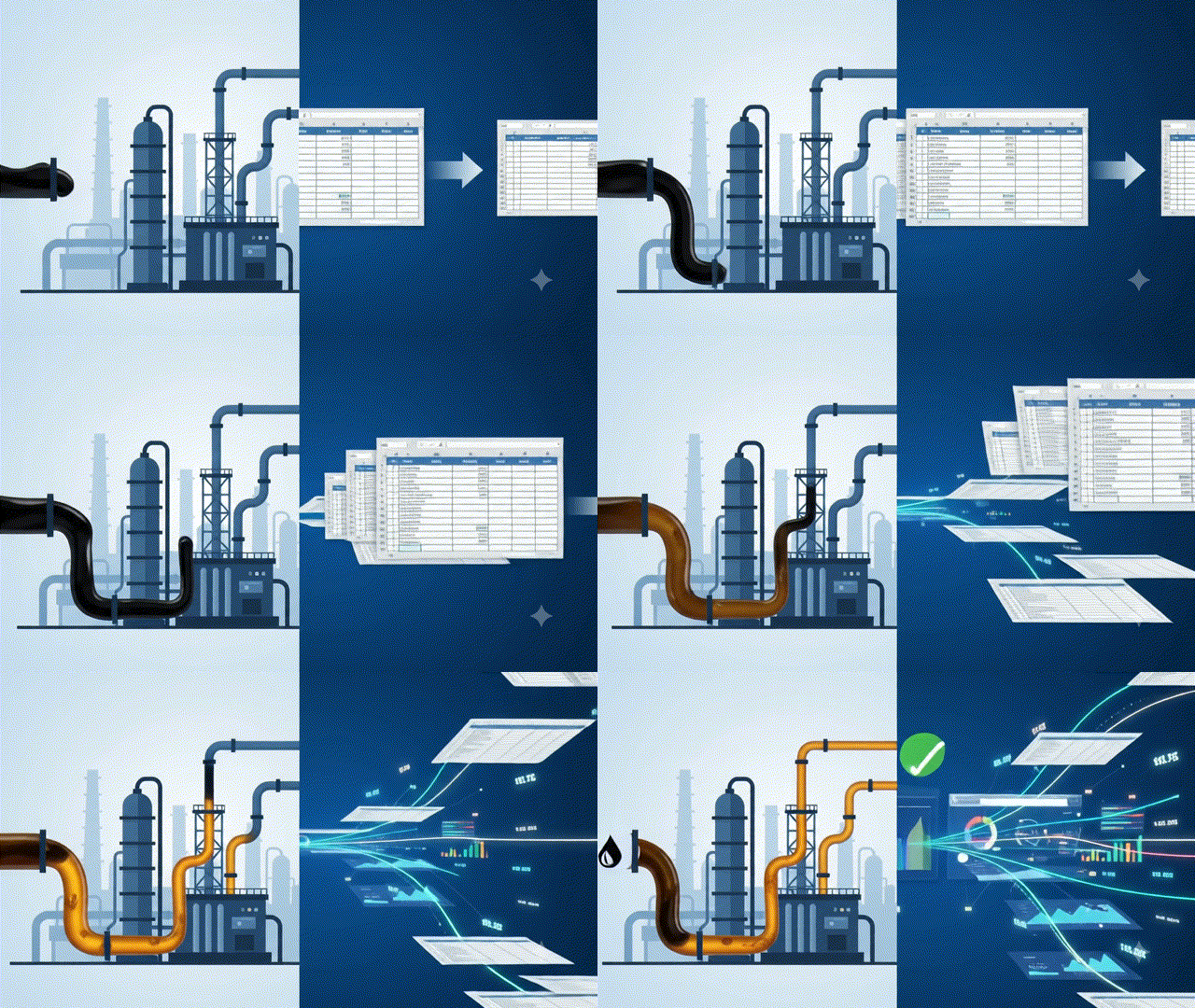
People often say:
"Data is the new oil."
At first, that sounds strange.
How can numbers be compared to oil?
Here's why.
Crude oil coming out of the ground isn't very useful.
It must first be refined.
Only then does it become petrol, diesel, jet fuel, or other valuable products.
Data works exactly the same way.
Raw data is simply a collection of numbers, text, dates, and records.
It becomes valuable only after someone transforms it into meaningful information.
Raw data tells you what happened.
Analysis tells you why it happened and what to do next.
Data analysis involves cleaning, organizing, exploring, and interpreting data to identify meaningful patterns that support informed business decisions.
Imagine an e-commerce website receives:
Without analysis, those are just numbers.
A Data Analyst discovers that:
The data didn't change.
The understanding did.
And that understanding is what companies pay for.

Many beginners ask:
"If companies already have dashboards and AI tools, why hire Data Analysts?"
It's a great question.
The answer is simple.
Software can calculate.
Humans decide.
Imagine a dashboard shows:
The dashboard tells you what happened.
But it doesn't necessarily explain:
A Data Analyst investigates the evidence, connects different pieces of information, and uncovers the real story.
That's something software alone often cannot do.
Think of software as a calculator.
A calculator gives the correct answer.
But it doesn't know which question you should ask.
A Data Analyst does.

Many people believe Data Analysts spend their entire day making charts.
That's only a small part of the job.
Companies aren't paying for charts.
They're paying for better decisions.
A Data Analyst helps answer questions like:
Every answer affects money.
Sometimes thousands of rupees.
Sometimes crores.
Sometimes billions.
That makes good analysis incredibly valuable.
Think about driving a car.
Would you drive without looking through the windshield?
Of course not.
You'd probably crash within minutes.
Running a business without data analysis is surprisingly similar.
Managers make hundreds of decisions every day.
Without reliable insights, those decisions become guesses.
Sometimes guesses work.
Most of the time, they don't.
A Data Analyst acts like the windshield for a business.
They help leaders see what's happening before making important decisions.
And better visibility usually leads to better results.

Let's look at some well-known examples.
Amazon studies customer behavior to recommend products, manage inventory, improve delivery times, and optimize pricing.
Behind many of these decisions are teams of analysts.
Netflix analyzes viewing habits to recommend movies and TV shows you'll probably enjoy.
It also uses analytics to decide which original shows to produce.
Uber analyzes demand, traffic, weather, and driver availability to calculate dynamic pricing.
Starbucks uses location analytics before opening new stores.
It studies demographics, nearby businesses, traffic patterns, and customer behavior.
These companies don't hire analysts because it's trendy.
They hire them because better decisions create better businesses.
| Myth | Fact |
|---|---|
| Data Analysts only create reports. | Reports are only one part of their work. |
| Excel is enough. | Modern analysts use SQL, Python, Power BI, Tableau, and cloud platforms. |
| AI will replace Data Analysts. | AI assists analysts, but businesses still need humans to ask the right questions and interpret results. |
| Only tech companies hire analysts. | Almost every industry now relies on data-driven decision making. |
By now you've learned that:
But here's something even more interesting.
We've mostly talked about why companies hire Data Analysts.
We haven't explored how analysts actually make companies more money.
And that's where the real magic begins...
In the next chapter, you'll discover how a single Data Analyst can save a company millions of rupees, increase profits, reduce costs, improve customer satisfaction, and influence decisions across marketing, finance, HR, operations, and product teams.
You'll finally understand why experienced analysts are considered one of the highest-value professionals inside modern businesses.
